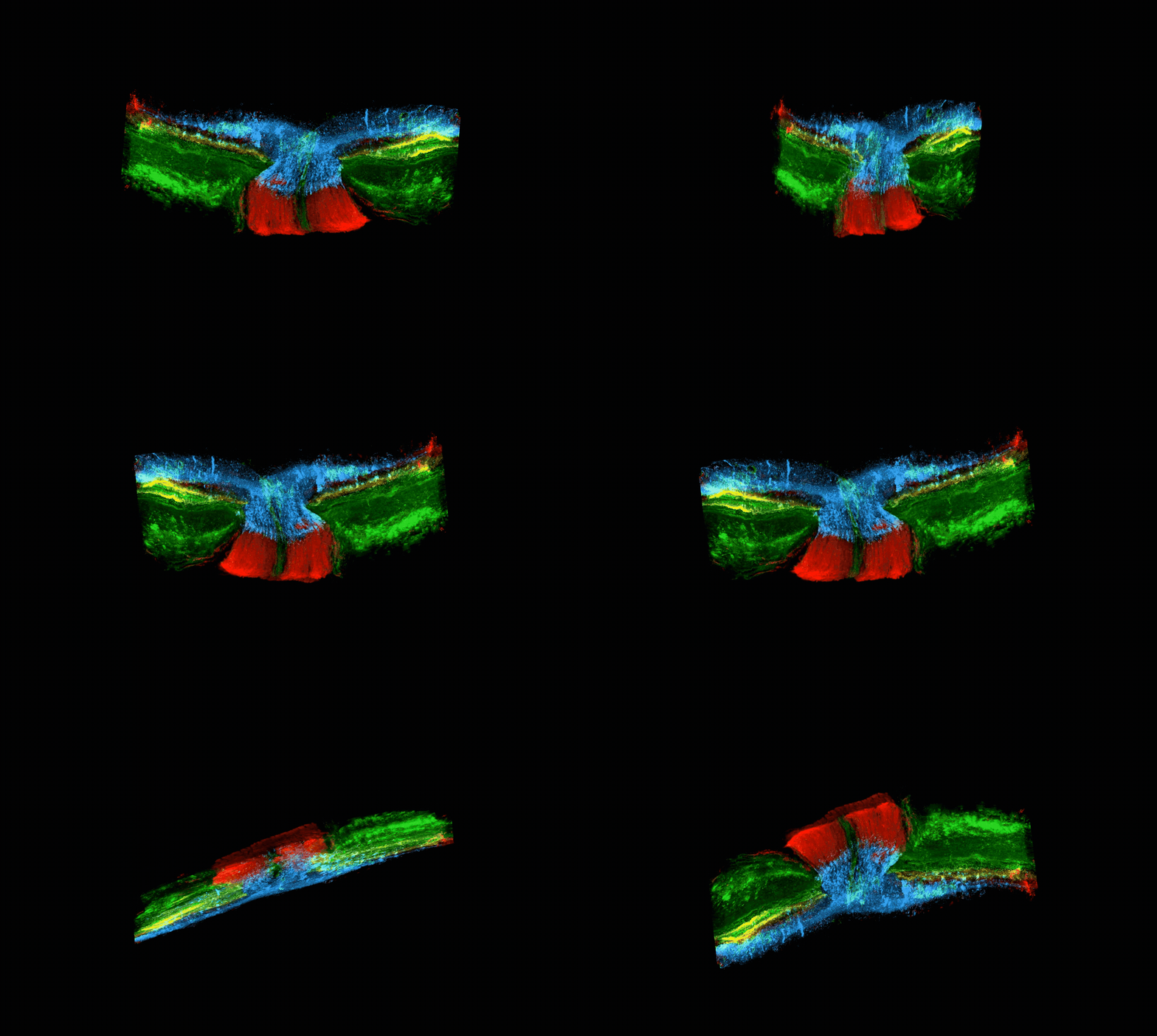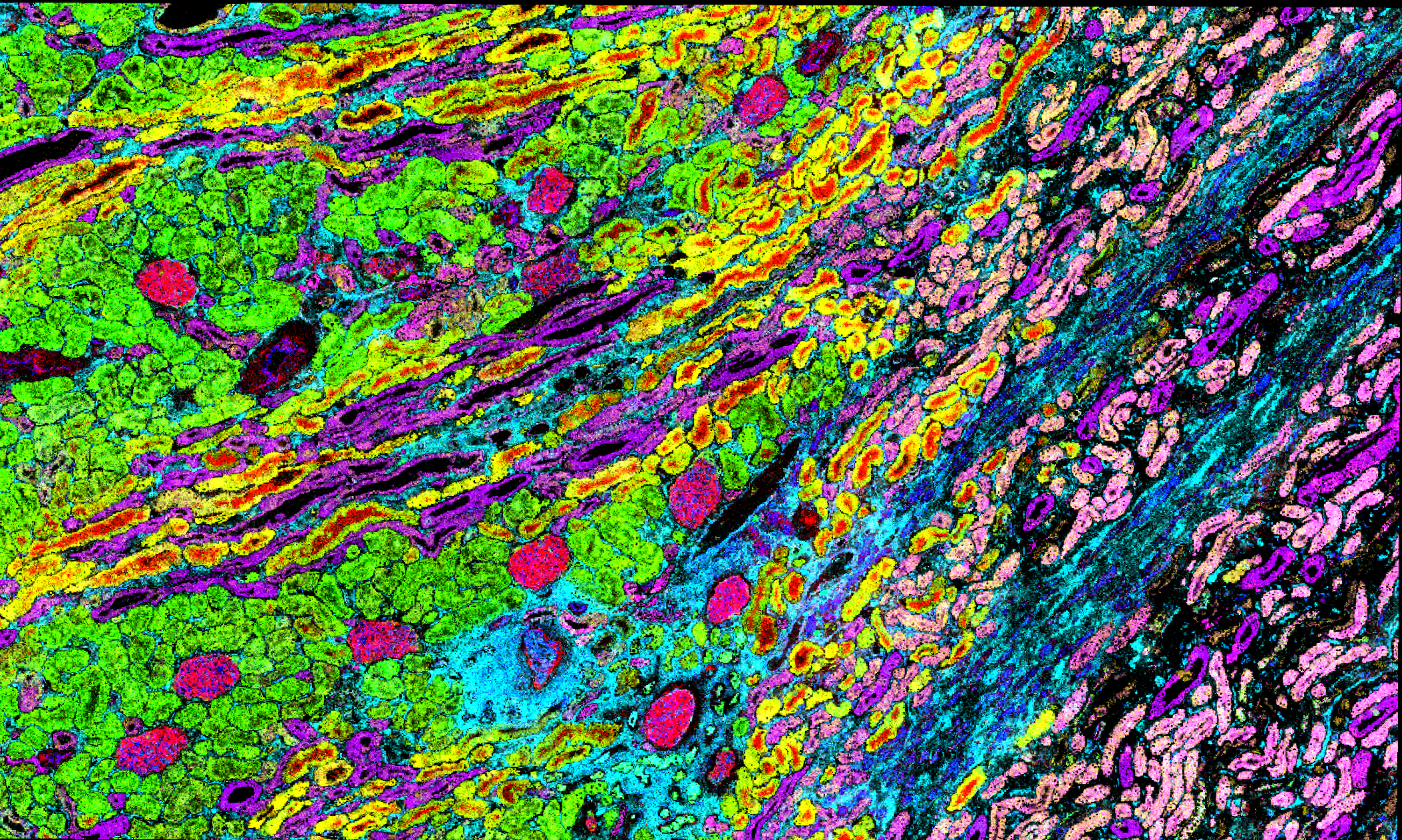

The mission of the Mass Spectrometry Research Center (MSRC) at Vanderbilt University is to develop and apply cutting-edge mass spectrometry technologies to enhance the understanding of complex biological systems, drive innovation in analytical chemistry, and facilitate collaborative interdisciplinary research. This mission is supported by three foundational pillars:
(1) Research and Development, focused on advancing multiomics and spatial-omics technologies;
(2) Core Services, dedicated to providing state-of-the-art analytical resources to the Vanderbilt community; and
(3) Education and Training, emphasizing comprehensive learning opportunities to foster future leaders in mass spectrometry.
Research & Development
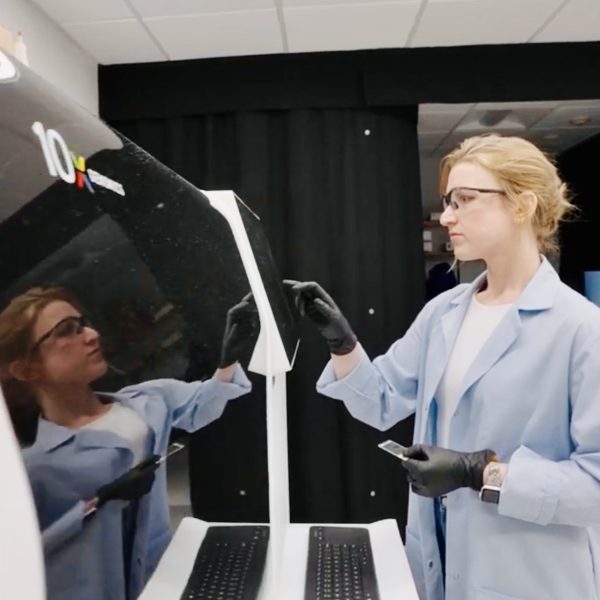 The Research and Development efforts at Vanderbilt's Mass Spectrometry Research Center (MSRC) focus on pioneering advanced technologies in multimodal molecular imaging, spatial biology, and quantitative proteomics. These innovations significantly enhance our understanding of complex biomedical challenges, including ocular diseases, diabetes, Alzheimer's, infectious diseases, and cancer, driving transformative impacts in human health research.
The MSRC is pioneering innovative technologies that provide a comprehensive systems biology toolbox, seamlessly integrating multi-omics data across molecular classes and spatial scales—from whole organs to single cells.
Core Services
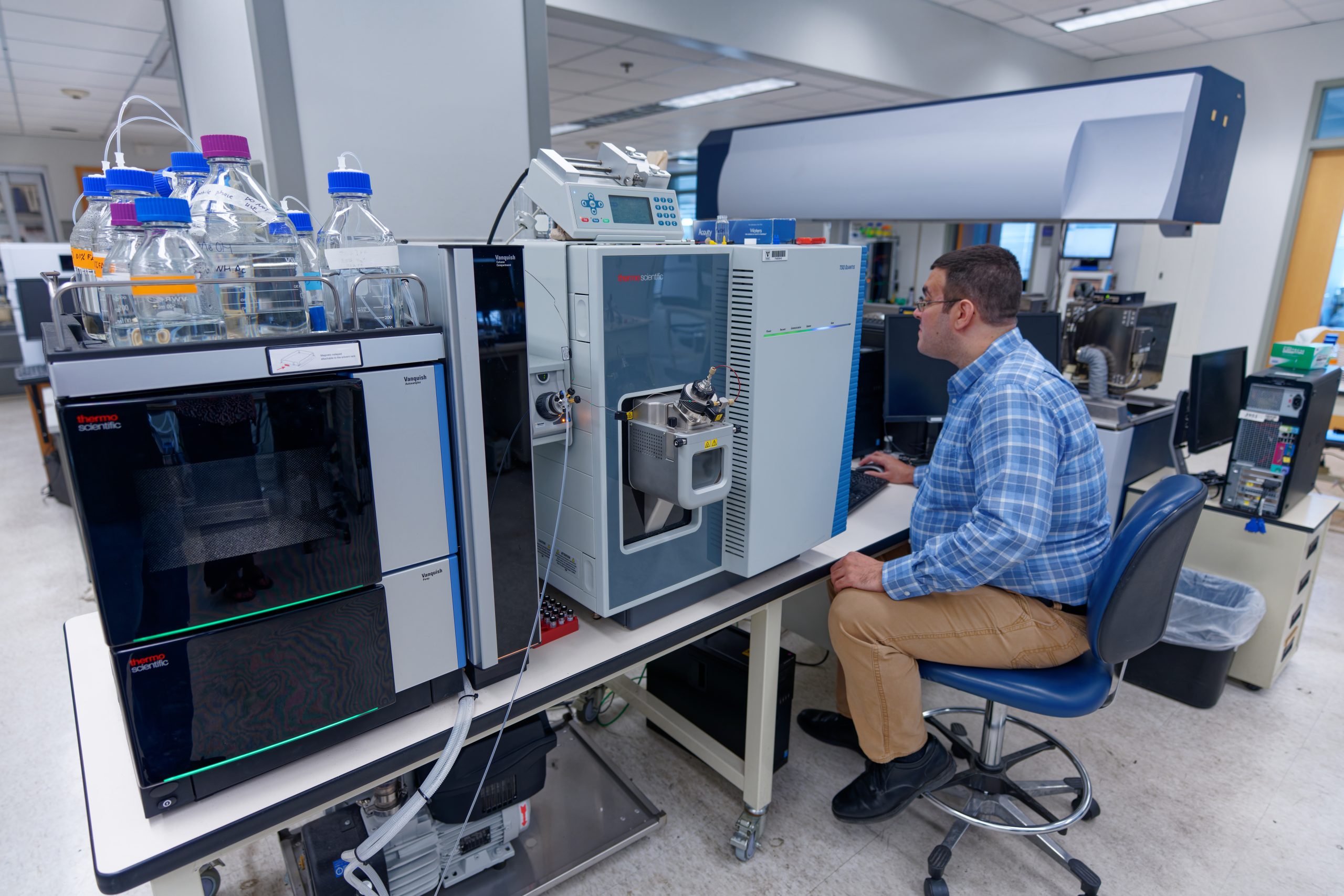
The MSRC Core Laboratory aims to provide state-of-the-art instrumentation and expert guidance to trainees and faculty, supplying support through our proteomics, small molecule, and imaging mass spectrometry services. As an open-access facility, we encourage users to actively engage in running their own samples, while offering opportunities for consultation, collaboration, and data interpretation from our Core personnel.
Beyond Mass Spectometry - VU BIOMIC
The VU Biomolecular Mulimodal Imaging Center is an NIH-funded tissue mapping center supporting multiple large-scale molecular atlasing efforts. The goal is to develop technologies that enable integration and interpretation of spatial multiomics data including mass spectrometry, microscopy, and transcirptomics. These unique tools are providing an unprecidented view of biological systems across molecular classes and spatial scales.